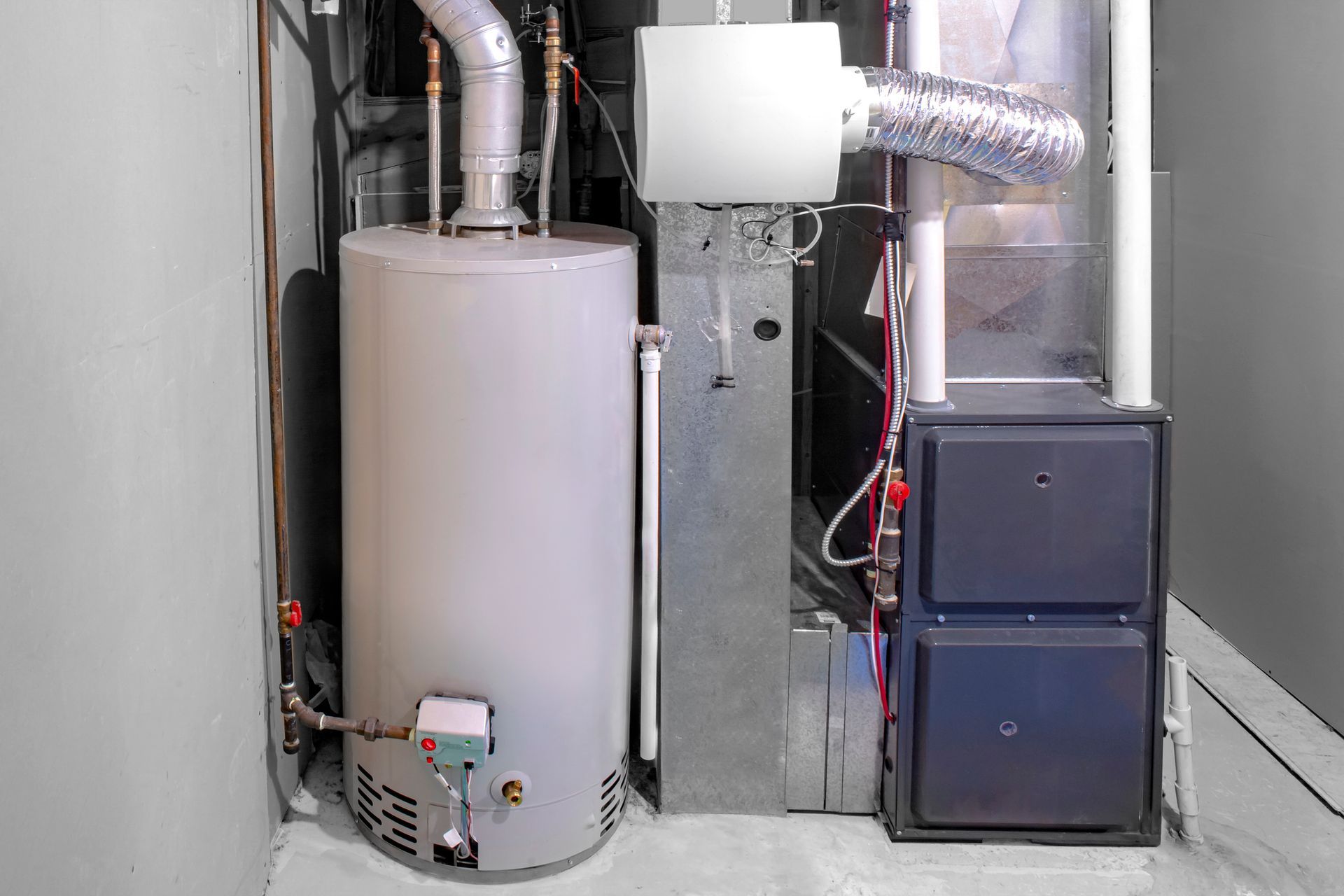
When your furnace quits on a cold winter’s day, it can go from inconvenient to dangerous pretty quickly. Knowing what to do (and who to call) can make all the difference. Here’s your guide from John Lock AC & Heating to stay safe, warm, and prepared. 1. Stay Calm & Assess the Situation Check your thermostat first, make sure it’s set to heat , not cool, and that the temperature setting is above the current room temperature. Look at the furnace switch (often near the unit or in a hallway), someone may have accidentally turned it off. Confirm the furnace filter isn’t clogged. Restricted airflow from a dirty filter can often cause a shutdown. 2. Do Basic Checks You Can Handle If you’re comfortable, try these simple troubleshooting steps: Power source: Ensure the furnace is getting power. Check breakers or fuses to confirm they haven’t tripped or blown. Pilot light / ignition: If your unit has a pilot light, make sure it’s burning. If not, follow the manufacturer’s instructions for relighting (or call a pro). Gas supply (if applicable): If it’s a gas furnace, ensure your gas line valve is open. Never tamper with gas lines beyond checking the valve, leave repairs and adjustments to licensed technicians. Check vents and registers: Blocked or closed vents can strain the system. Make sure all vents are open, unblocked, and allow air to flow. 3. Maintain Safety Keep combustible materials (paint cans, boxes, fabric, etc.) away from the furnace. If you smell gas, leave your home immediately, and call your gas provider and 911. Don’t turn on switches or use phones inside the house if there’s a gas leak. Use safe alternative heating (space heaters, wood stove) only if they are properly maintained, placed on stable surfaces, away from flammables, and with proper ventilation. 4. Keep Warm While Waiting for Help Close off unused rooms to retain heat where people are. Use extra layers: sweaters, blankets, hats. Let sunlight in during the day by opening curtains and blinds. Close them before night to reduce heat loss. If you have ceiling fans, run them in reverse (clockwise) on low speed to redistribute warm air from the ceiling. 5. Call the Pros: John Lock AC & Heating’s Emergency Support If none of those fixes work, or if your furnace is making unusual noises, emitting smells, or showing warning codes, don’t wait. John Lock AC & Heating offers: Fast-response furnace repair for Western New York homes. Licensed, experienced technicians who can diagnose and resolve common and complex issues. 55+ years of heating system know-how, fair pricing, and respectful, punctual service. 6. Preventive Measures to Avoid Future Failures Once your furnace is back up, these tips can help prevent future emergencies: Schedule regular maintenance: filter changes, inspections, and cleanings, it saves headaches down the road. Replace old furnaces before they become unreliable (age, parts wear, and efficiency drop are good indicators). Install smart thermostats or programmable timers to reduce stress on the system. Keep combustion air vents and furnace area clean, clear, and unobstructed. If your furnace fails, don’t wait in the cold. Call John Lock AC & Heating at 716-894-6400. We’re here to help you stay safe, warm, and comfortable, 24/7 when it matters. Stay warm.
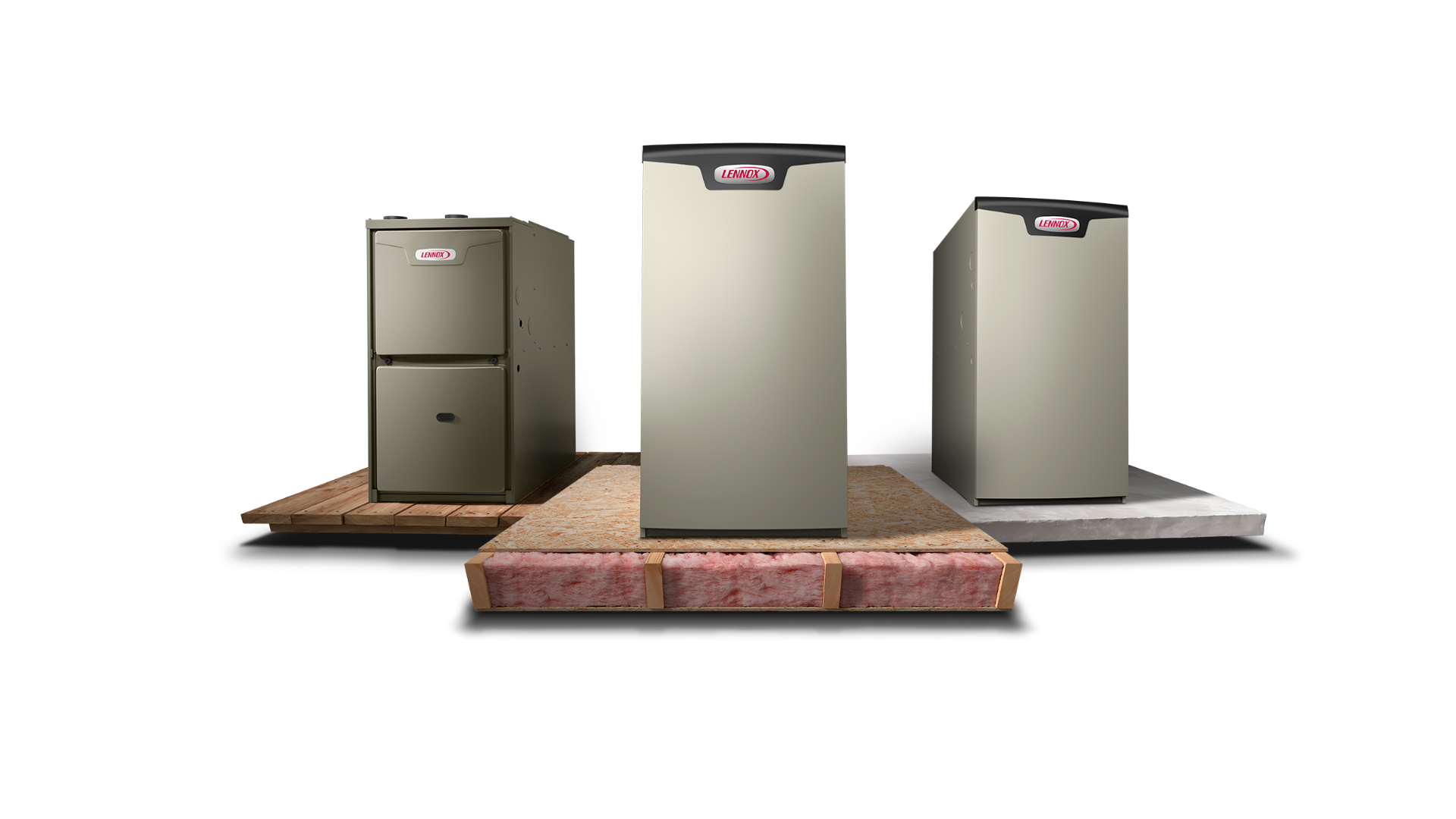
This is your last chance for big savings on a new high-efficiency heating solution — whether you’re upgrading to a heat pump or a natural gas furnace. National Fuel rebates end December 31, and installations must be completed by then to qualify. At John Lock AC & Heating, we’re helping homeowners beat the deadline and save up to $2,500 on new, energy-efficient systems. Don’t wait until winter’s chill sets in — now’s the time to replace your old unit, improve your home’s comfort, and take advantage of these limited-time rebates. Current Rebate Opportunities Upgrade before December 31 to qualify for National Fuel’s limited-time rebates: Hot Air Furnace with ECM plus 14.3 SEER2 Heat Pump – 95% AFUE – $2,500 rebate Hot Air Furnace with ECM – 95% AFUE – $600 rebate Furnace Tune-Up – $125 rebate Rebates expire soon — your system must be installed by December 31 to qualify. Why Choose a Natural Gas Forced Air Furnace A natural gas forced air furnace is one of the most efficient and dependable ways to heat your home. These systems burn natural gas to generate warm air, which is then distributed evenly through ductwork — keeping every room comfortable through Western New York’s coldest months. Key Benefits Energy Efficiency: Modern gas furnaces can significantly lower your heating bills. Reliable Performance: Consistent, even heat all winter long. Fast Warm-Up: Quickly raises your home’s temperature for instant comfort. Long Lifespan: With regular maintenance, a furnace can last 15–20 years or more. Choosing the Right System When selecting a new heating system, it’s important to consider: Home Size: Larger homes often need higher-capacity furnaces for even heating. Efficiency Ratings: Look for a high AFUE rating to maximize energy savings. Infrastructure: Make sure your home has access to natural gas and compatible ductwork. Budget: Consider both upfront installation costs and long-term energy savings. Our experts at John Lock AC & Heating will evaluate your home and recommend the best system to balance comfort, performance, and cost — while helping you secure available rebates. Maintenance Tips Schedule Annual Checkups: Professional inspections keep your furnace running safely and efficiently. Replace Filters Regularly: Maintain airflow and improve indoor air quality. Don’t Miss Out — Schedule Your Installation Today Rebate deadlines are approaching fast. Make sure your new high-efficiency heat pump or furnace is installed before December 31 to lock in your National Fuel rebate savings. Call John Lock AC & Heating today at 716-894-6400 or visit johnlockheating.com to schedule your installation and secure your savings.

At John Lock AC & Heating, keeping homes comfortable is more than our job — it’s part of giving back to the community. Last week, we joined Lennox, the Rural Outreach Center, and several local businesses to help a Colden family in need through the national Feel the Love program, ensuring warmth, safety, and peace of mind just in time for winter. More Than Just a Furnace This year’s recipient family — a single mother and her two sons — had gone through last winter without heat. Nominated by the Rural Outreach Center (ROC), a nonprofit dedicated to supporting rural families in Western New York, the family received a brand-new Lennox furnace and AC system installed at no cost. But what started as a single furnace installation quickly grew into a larger home improvement effort. When our team visited the home, we discovered additional needs, including a failing hot water heater and an unsafe deck. Determined to help, we enlisted the support of local businesses and volunteers to make broader repairs. Community Collaboration in Action Thanks to the generosity of our partners, this project became a full home improvement initiative: John Lock AC & Heating & Lennox – installation of the furnace and AC system, project coordination IRR Supply Centers – donation of a new hot water heater Gui’s Lumber – donation of pressure-treated lumber for deck repairs VALU Home Centers & Valspar – deck stain, paint, and supplies Abbey Mecca – coordinating partners, recruiting volunteers, and assisting on-site The family’s deck was re-stained, safety repairs were completed, and volunteers helped ensure the home was ready for winter — all made possible through collaboration. Channel 7 News even stopped by to cover the story and share the family’s experience with the community. A Heartfelt Impact Monique Brannan, COO of the Rural Outreach Center, described the emotional response: “It was really tears of joy. At one point, the children came up to our founder and said, unprompted, ‘thank you so much for helping us to heat our home.’” For Mike Lock, President of John Lock AC & Heating, this project is a reminder that the work goes far beyond HVAC: “Every time I talk to the homeowner, she goes into tears. It’s just awesome to help out a family like that. It gets better and better every time.” Why We Do It The Feel the Love program by Lennox partners with local dealers nationwide to donate heating and cooling equipment — and installation services — to families in need. For our team, being part of this initiative is about more than equipment — it’s about giving warmth, safety, and stability to families who need it most. About John Lock AC & Heating Founded more than 55 years ago, John Lock AC & Heating is a family-owned and operated company serving Western New York with expert residential and commercial heating and cooling services. Known for professionalism, integrity, and community service, we continue to make a difference both in our customers’ homes and across the region.
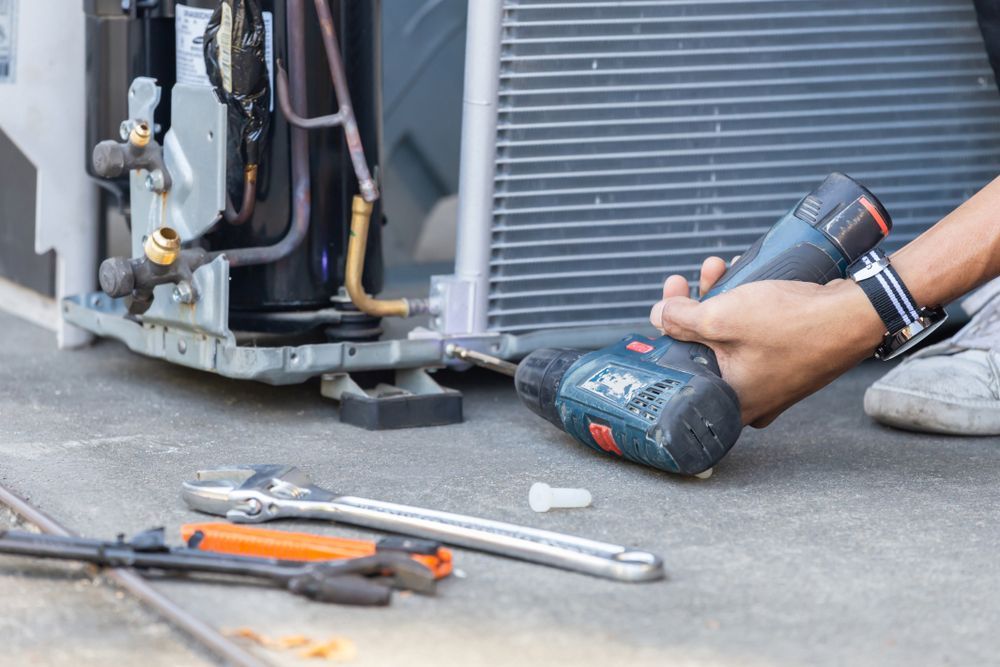
As the temperatures start to drop, your furnace becomes one of the most important systems in your home. But after sitting idle all summer, many furnaces experience common issues when they first kick back on for the fall season. The good news? Many of these problems are easy to prevent or fix. Here’s a look at some of the most common furnace problems we see every fall—and what you can do about them. 1. Dirty or Clogged Air Filters The Problem: Over time, your furnace’s air filter collects dust, pet hair, and debris. A dirty filter can block airflow, forcing your system to work harder and reducing efficiency. In some cases, it may even cause your furnace to shut down. The Fix: Check and replace your furnace filter regularly—ideally every 1-3 months during heating season. A clean filter helps maintain airflow, improves efficiency, and extends the life of your furnace. 2. Thermostat Issues The Problem: If your thermostat isn’t reading temperatures accurately or communicating with the furnace properly, your home may feel too cold or too warm, even if the system is running. The Fix: Start by replacing the thermostat batteries (if applicable), and double-check your settings. If problems persist, your thermostat may need recalibration or replacement. A professional HVAC technician can diagnose the issue and recommend solutions. 3. Pilot Light or Ignition Problems The Problem: Older furnaces with pilot lights can sometimes have trouble staying lit, while newer models with electronic ignition systems may fail to ignite properly. This can leave your home without heat. The Fix: If you’re comfortable, you can relight a pilot light following your furnace manufacturer’s instructions. For repeated ignition problems or modern systems, call in a professional to inspect and repair the ignition components safely. 4. Strange Noises The Problem: Banging, rattling, squealing, or grinding noises coming from your furnace can signal anything from loose parts to motor issues or airflow restrictions. The Fix: Turn off your system and schedule a professional inspection. Catching mechanical problems early can prevent costly repairs down the road. 5. Inconsistent or Uneven Heating The Problem: Some rooms feel warm while others stay chilly. This can be due to blocked vents, ductwork issues, or poor furnace performance. The Fix: Make sure all vents are open and unobstructed. If the problem continues, you may need a duct inspection or a furnace tune-up to ensure balanced airflow throughout your home. Prevent Problems Before They Start The best way to avoid fall furnace problems is with a professional maintenance checkup. A certified technician from John Lock AC & Heating can inspect your entire system, clean key components, and catch small issues before they turn into major repairs. Schedule your furnace tune-up today: 716.894.6400. Stay warm, safe, and comfortable this season with help from the trusted experts at John Lock AC & Heating.
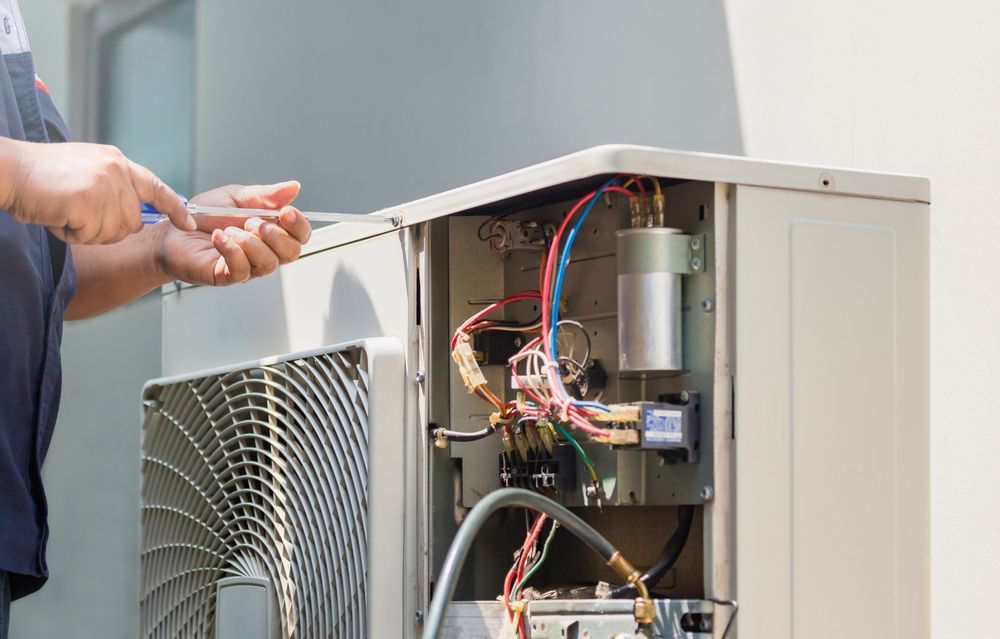
As cooler temperatures arrive and the heating season approaches, fall becomes one of the most strategic times of year to install or replace your furnace . For homeowners in Western New York, planning ahead can make all the difference in comfort, cost, and peace of mind during the long winter months. At John Lock AC & Heating, we often advise our customers that fall is the ideal time for furnace installation, and here’s why. 1. Avoid Emergency Breakdowns If your furnace is aging or unreliable, waiting until winter to replace it can leave you at risk for mid-season failures. Installing a new furnace in the fall ensures your system is ready to handle the cold before the harshest weather arrives. 2. Faster, More Convenient Scheduling Fall is typically a slower season for furnace installations compared to the peak winter months, when emergency service calls are more common. This means you’ll have more flexibility in scheduling and can complete your project without unnecessary delays. 3. Boost Energy Efficiency Before Winter Hits Modern high-efficiency furnaces can lower your heating costs and improve indoor comfort. Installing your new system in the fall allows you to benefit from improved performance and energy savings throughout the entire heating season. 4. Take Advantage of Seasonal Incentives Manufacturers and utility companies often offer rebates or special promotions during the fall to encourage early upgrades. Our team can help you find and apply these offers, making your investment more affordable. 5. Ensure Safe, Reliable Heating A properly installed furnace reduces the risk of carbon monoxide leaks and system malfunctions. By installing in the fall, you give your system time to be thoroughly tested, ensuring everything is working safely and efficiently before temperatures drop significantly. Plan Ahead with Confidence Choosing to install a new furnace in the fall gives you the advantage of time, preparation, and value. At John Lock AC & Heating, our experienced team is here to guide you through the process and ensure your home is ready for whatever winter brings. Contact us today to schedule your furnace consultation or to learn more about your installation options.
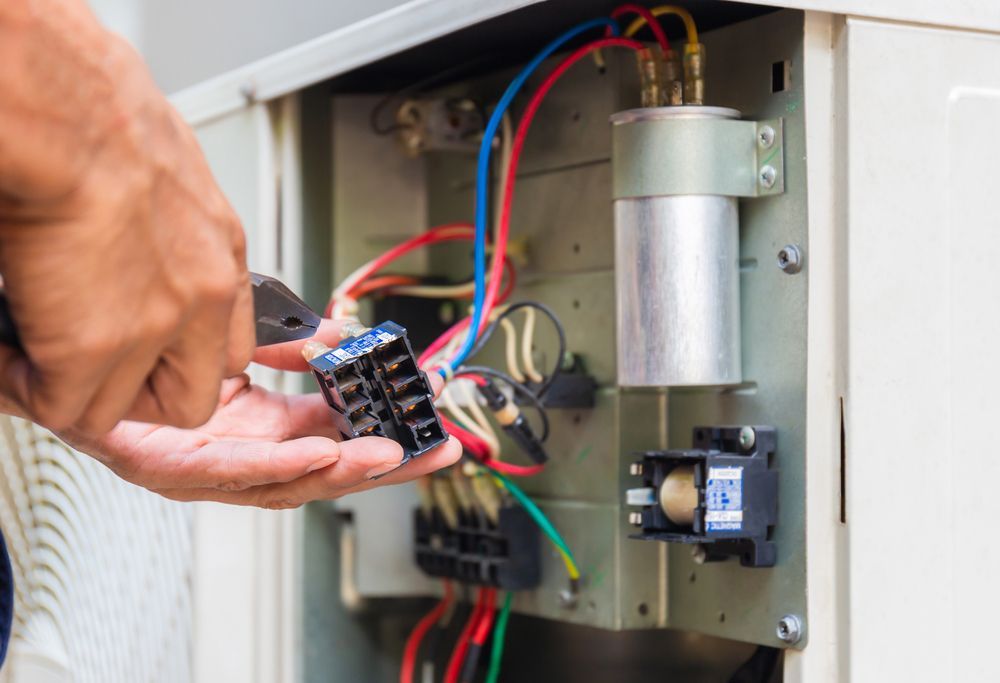
If you’ve ever had your air conditioner or heat pump serviced, you’ve likely heard the term refrigerant mentioned. But what is refrigerant, how does it work, and why is it important? At John Lock Air Conditioning & Heating, we believe that homeowners benefit from understanding the basics of how their systems operate. In this article, we break down what you need to know about refrigerant and its role in keeping your home comfortable. What Is Refrigerant? Refrigerant is a chemical compound essential to the cooling process in your air conditioner or heat pump. It works by absorbing heat from the air inside your home and releasing it outside, allowing your system to maintain a cooler indoor temperature. In short, without refrigerant, your air conditioning system wouldn’t be able to function. How Does Refrigerant Work? Refrigerant circulates through your HVAC system in a closed loop. Here’s a simple explanation of the process: The refrigerant absorbs heat from your indoor air through the evaporator coil. It is then compressed into a high-pressure gas, increasing its temperature. The hot refrigerant moves to the condenser coil outside, where it releases the absorbed heat into the outdoor air. As it cools, it becomes a liquid again and cycles back to repeat the process. This continuous cycle is what enables your system to provide consistent cooling throughout your home. Signs of Refrigerant Problems Refrigerant should never “run out” under normal conditions. If levels are low, it’s usually a sign of a leak, which can lead to system inefficiency and even damage if left unaddressed. Here are some common signs of a refrigerant issue: AC is blowing warm or insufficiently cool air Ice buildup on refrigerant lines or the evaporator coil Hissing or bubbling noises near the unit Higher than usual energy bills System running longer than normal to cool the space If you notice any of these issues, it’s important to schedule a professional inspection promptly. Why You Shouldn’t Just “Top Off” Refrigerant While it may seem like adding more refrigerant is a quick fix, it’s not a true solution. Adding refrigerant without identifying and repairing a leak can lead to further damage and ongoing inefficiencies. Additionally, refrigerant must be handled by EPA-certified technicians, as improper handling can pose health and environmental risks. At John Lock Air Conditioning & Heating, our licensed technicians are trained to detect leaks, make the necessary repairs, and recharge your system with the proper refrigerant type and amount. Understanding Refrigerant Types Older air conditioning systems may use R-22 (Freon), which has been phased out due to its environmental impact. Newer systems use more eco-friendly refrigerants like R-410A, which do not deplete the ozone layer. If your system still runs on R-22, consider upgrading to a newer unit. Not only will you be supporting environmental sustainability, but you’ll likely see improvements in system efficiency and energy costs. Trust the Experts at John Lock Air Conditioning & Heating Refrigerant plays a vital role in the performance of your HVAC system, and issues related to refrigerant should always be addressed by qualified professionals. Whether you’re experiencing cooling issues or simply want peace of mind that your system is operating at peak performance, John Lock Air Conditioning & Heating is here to help. Contact us today to schedule service or to learn more about your system’s refrigerant needs. 716.894.6400.

As the temperature rises, keeping your home cool and comfortable becomes a top priority. Not only does it make your living space more enjoyable, but it also helps reduce the stress on your HVAC system, ultimately saving you money on energy bills. At John Lock AC & Heating, we’ve put together a few essential cooling tips to help you stay comfortable during the hot months ahead. 1. Regularly Maintain Your Air Conditioning System Before the heatwave hits, schedule a maintenance check for your air conditioner. A professional technician can ensure that your system is running efficiently, replace air filters, and check for any issues that could affect performance. Regular maintenance not only prolongs the life of your HVAC system but also improves energy efficiency. 2. Use Fans to Circulate Air While air conditioning is great, ceiling fans or box fans can help circulate the cool air, making your space feel even cooler. Ceiling fans are especially effective when used in conjunction with your air conditioner, as they help distribute the cool air more evenly. Be sure to adjust the direction of the fan blades to circulate air downward during the summer months. 3. Block Out the Sun with Curtains or Blinds The sun can quickly heat up a room, so use blinds or curtains to block out sunlight during the hottest part of the day. Consider investing in blackout curtains or reflective window film to further reduce heat gain. Keeping your windows covered helps maintain a cooler indoor temperature and keeps your air conditioner from working overtime. 4. Seal Gaps and Insulate Your Home Preventing cool air from escaping and hot air from entering your home is essential to staying comfortable. Check for gaps or leaks around windows and doors, and use weather stripping or caulking to seal them. Additionally, ensure your home is properly insulated to help maintain a consistent temperature indoors. 5. Cook Smart – Avoid Heat-Generating Appliances Cooking meals can raise the temperature in your home. On especially hot days, consider using the microwave, slow cooker, or an outdoor grill to avoid adding heat to your kitchen. Alternatively, opt for no-cook meals like salads or cold sandwiches that keep the kitchen cooler. 6. Close Doors to Unused Rooms If you have rooms in your home that are not being used during the hot weather, keep the doors closed to prevent cool air from escaping. This helps concentrate the cool air in the rooms that matter most and improves energy efficiency. 7. Stay Hydrated While this tip may not directly impact your home’s cooling, staying hydrated is essential for comfort during hot weather. Keep a bottle of water nearby and encourage your family to drink plenty of fluids throughout the day. Staying hydrated helps your body regulate temperature and keeps you feeling more comfortable even when the mercury climbs. 8. Upgrade to Energy-Efficient Cooling Solutions If your cooling system is outdated, it may be time to consider upgrading to a more energy-efficient model. Newer HVAC units are designed to cool more efficiently, saving you money on energy bills while providing superior comfort. At John Lock AC & Heating, we can help you find the right system for your home that suits your needs and budget. 9. Consider Zoning Systems Zoning systems allow you to control the temperature in different areas of your home independently. This way, you can cool only the rooms that are being used, which can lead to significant energy savings. A zoning system is especially beneficial for larger homes with rooms that are used at different times of the day. 10. Avoid Heat-Producing Activities During Peak Hours Running appliances like the dryer, dishwasher, or washing machine during the hottest hours of the day can add unnecessary heat to your home. Try to schedule these activities in the early morning or evening when the temperature is cooler. This simple habit can keep your indoor climate more comfortable without overworking your cooling system. By following these simple cooling tips, you can keep your home comfortable and save on energy costs during the hot months. At John Lock AC & Heating, we’re here to help you with all your cooling needs, from maintenance to system upgrades. If you have questions or need assistance, don’t hesitate to reach out to our team of experts. 716.894.6400.
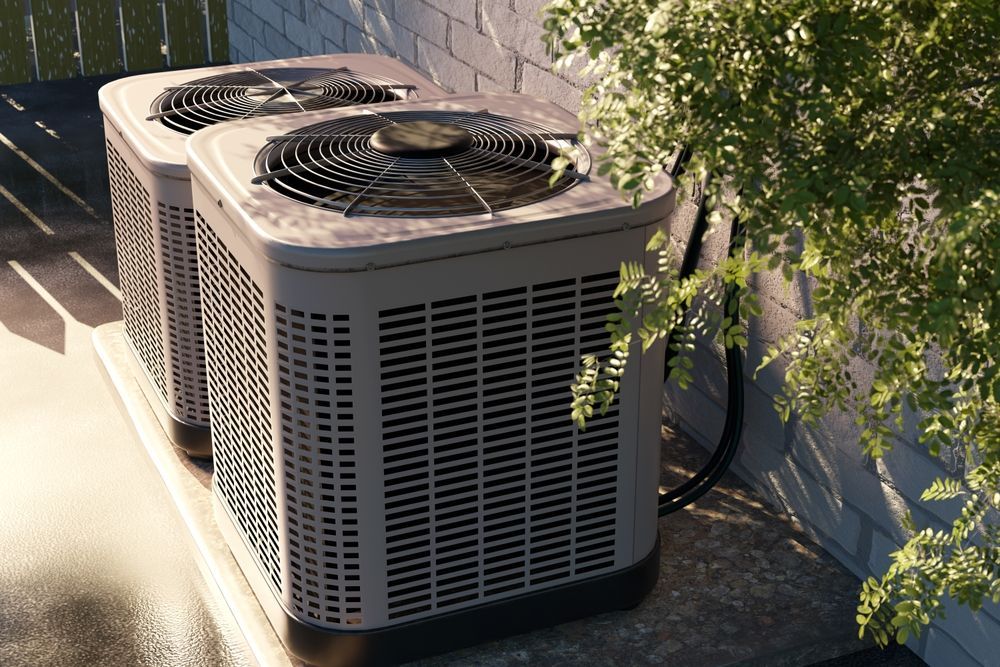
Your HVAC system is essential for keeping your home comfortable year-round, but like any piece of equipment, it requires regular care. When it’s not running efficiently, it can lead to higher energy bills, poor air quality, and costly repairs. Here are five key signs that your HVAC system may need attention: 1. Strange Noises If your HVAC system is making unusual sounds, such as grinding, squealing, or banging, it’s a clear sign that something’s wrong. These noises could indicate problems with the motor, fan, or other moving parts that need to be checked or replaced by a professional. 2. Inconsistent Temperatures Have you noticed rooms that are hotter or colder than others? Inconsistent heating or cooling could be a sign of airflow issues, a clogged filter, or problems with your system’s thermostat. It’s important to get this addressed to restore comfort and efficiency. 3. Increased Energy Bills A sudden spike in your energy bills, especially during peak heating or cooling seasons, could be a sign that your HVAC system is working harder than it should. This may indicate that it’s struggling to maintain your desired temperature due to issues like a dirty filter, a malfunctioning compressor, or leaking ducts. 4. Poor Air Quality Your HVAC system also helps circulate air throughout your home. If you notice more dust, allergens, or a musty smell in your indoor air, it might be time for a tune-up. Dirty coils, clogged filters, or mold in the system could be the culprits. 5. Frequent Cycling On and Off If your HVAC system is turning on and off more frequently than usual, this could indicate a problem with your thermostat, airflow, or the system’s motor. Frequent cycling is inefficient and can shorten the lifespan of your system, leading to costly repairs. What to Do Next? If you notice any of these signs, it’s a good idea to call in a professional HVAC technician. At John Lock AC & Heating, we offer expert HVAC repairs and maintenance to ensure your system is running smoothly and efficiently. Schedule an inspection today!
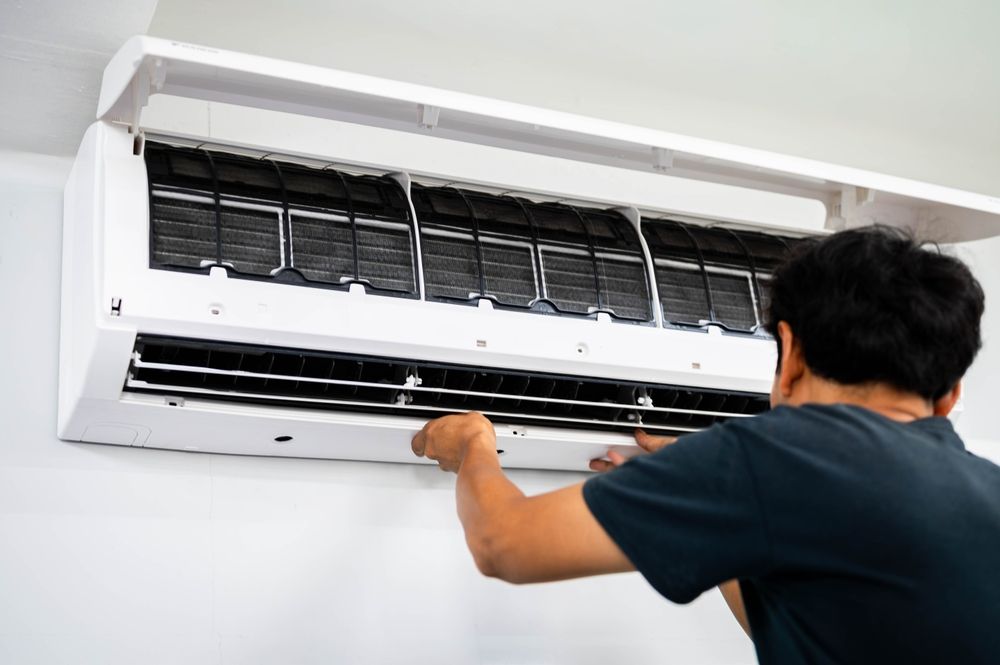
When it comes to keeping your home comfortable year-round, ductless heating and cooling systems offer a versatile, energy-efficient solution. Whether you’re building a new home, renovating an existing one, or looking for an alternative to traditional HVAC systems, ductless systems can provide significant benefits for homeowners in Buffalo and beyond. Here’s why you should consider going ductless with John Lock AC & Heating. 1. Energy Efficiency and Cost Savings One of the standout benefits of ductless heating and cooling systems is their energy efficiency. Unlike traditional HVAC systems, which lose energy through ducts, ductless systems deliver air directly to each room. This means less energy is wasted, leading to lower utility bills. With the ability to control temperatures in individual zones, you can heat or cool only the rooms you’re using, further optimizing energy usage. 2. Easy Installation and Minimal Disruption Installing a traditional HVAC system often requires extensive ductwork, which can be invasive and expensive. Ductless systems, on the other hand, require a small, three-inch hole to be drilled for a conduit, which makes installation quick and less disruptive. Whether you’re retrofitting an older home or adding an addition, ductless systems can be installed with minimal hassle, making them an ideal solution for homes without existing ductwork. 3. Improved Indoor Air Quality Because ductless systems don’t rely on ducts, there’s less chance for dust, mold, and other allergens to accumulate in your air supply. Many ductless units also come with advanced filtration systems that help improve indoor air quality by trapping dust, bacteria, and other particles. This is especially beneficial for individuals with allergies or respiratory concerns. 4. Year-Round Comfort Ductless systems are not only great for cooling in the summer—they also provide effective heating in the winter. With advanced heat pump technology, they can efficiently heat your home, even in colder temperatures, providing comfort year-round. This versatility makes ductless systems an excellent option for Buffalo’s unpredictable climate. 5. Zoned Control for Maximum Comfort Ductless systems offer zoned heating and cooling, meaning you can set different temperatures in different rooms or areas of your home. This allows for customized comfort and eliminates the need to heat or cool unused spaces. Whether you prefer a cooler bedroom at night or a warmer living room during the day, a ductless system lets you control your environment more efficiently. 6. Quiet Operation Traditional HVAC systems, especially older units, can be noisy, disrupting your daily life. Ductless systems are known for their quiet operation, allowing you to enjoy a peaceful environment. The indoor units are designed to operate at whisper-quiet levels, so you can relax without the constant hum of a loud air conditioner or furnace. 7. Environmentally Friendly Ductless systems are more environmentally friendly compared to traditional HVAC systems. They consume less energy, reducing your carbon footprint. Many units also use eco-friendly refrigerants, which are less harmful to the environment than older refrigerants used in some traditional systems. Why Choose John Lock AC & Heating for Your Ductless System? At John Lock AC & Heating, we understand that every home is unique, and we’re committed to finding the right solution for your needs. Our team of experts will assess your home’s heating and cooling needs and recommend a ductless system that fits your lifestyle and budget. With over 55 years of experience in providing top-quality HVAC solutions to Buffalo and Western New York, you can trust us to deliver reliable, energy-efficient heating and cooling systems that will keep you comfortable year-round. Interested in learning more about ductless heating and cooling systems? Contact us today to schedule a consultation and discover how a ductless system can enhance your home’s comfort and efficiency.